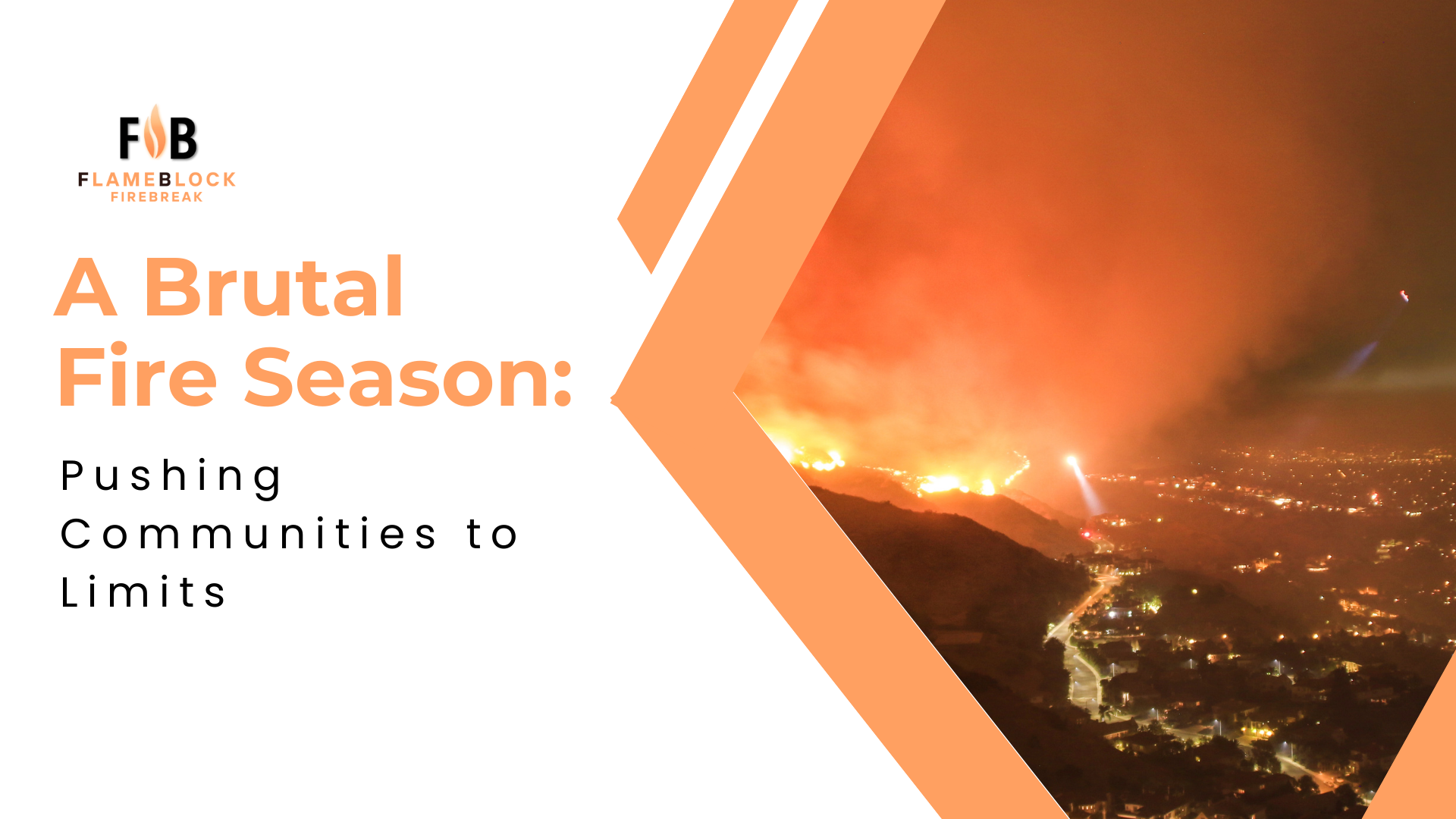
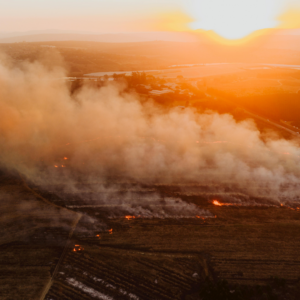
The 2025/26 fire season in South Africa’s Western Cape is one of the worst in recent years. Premier Alan Winde said that 132,000 hectares have already burned, making it the most severe season since 2015. No human deaths have been reported, but many buildings are gone, and wildlife has suffered.
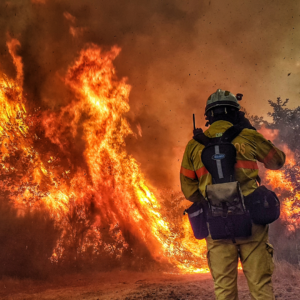
There have been more than twice as many fires as last year, putting huge pressure on firefighting teams across the province. The Western Cape Government has set aside over R19 million for aerial firefighting from 1 December 2025 to 11 January 2026, with R16 million focused on hard-to-reach areas. Local municipalities are thought to have spent about three times more on ground firefighting. (CapeTownEtc.com)
More than 1,600 municipal firefighters are on the ground, joined by another 1,000 people from Working on Fire. They are working hard to control the fires and keep communities safe. Officials say the season could last until May 2026, which means towns, farms, and conservation areas will face high fire risk for longer (2oceansvibe.com).
Rising Fire Risk Across South Africa
Although the Western Cape is hardest hit, wildfire risk is rising across all of South Africa. Hotter, drier weather, strong winds, and more vegetation are making fire seasons longer and more severe. Places like Knysna, the Garden Route, and Overstrand have been especially affected, showing why proactive fire management is needed everywhere.
Experts say that climate change, human actions, and invasive plants are causing more frequent and intense wildfires. In some areas, the number of fires has almost doubled compared to past decades, so landowners, farmers, and rural communities need to be prepared (WesternCape.gov.za).
Why Preparedness Matters
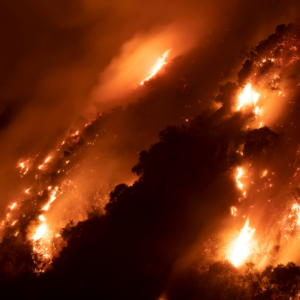
These figures show that just reacting to fires is not enough. Wildfires can move fast when it is dry and windy, putting homes, animals, crops, and nature at risk. Landowners and rural residents should take steps like clearing vegetation, making defensible spaces, and setting up fire protection before fires start.
Being prepared for fires also helps protect buildings and supports emergency teams. It slows down the spread of fire, making it easier for crews to control flames and limit damage.
The Broader Impact
Fires this season have forced road closures on major routes, disrupted local communities, and strained municipal water resources. The Western Cape Cabinet has requested a provincial disaster declaration from the National Disaster Management Centre to allow for resource reallocation and better coordination between municipalities and the provincial department. These measures underscore how intertwined wildfire management is with broader environmental and infrastructure planning.
Protect Your Land with Flameblock Solutions
Flameblock FireBreak helps landowners and property managers slow or prevent the spread of wildfires. Easy to apply and environmentally safe, FireBreak supports the creation of firebreaks while also breaking down into nutrient-rich fertiliser, aiding land recovery after the danger has passed.
Flameblock Agri is designed for agricultural and rural landscapes. It improves the effectiveness of water used in firefighting by enhancing moisture distribution across vegetation and soil. Agri helps protect pastures, crops and expansive rural land areas, giving farmers and land managers an advantage during high-risk fire periods.